health&fitness

Managing weight with medication requires consistent habits, careful monitoring, and guidance from a qualified healthcare professional. Understanding what to avoid during treatment can help reduce discomfort and support safer use. For people exploring Mounjaro Injections Dubai, including through informational resources associated with Dynamic Clinic in Dubai, learning about medication precautions is an important part of making informed decisions.
Avoid Changing Your Dose Without Medical Advice
Mounjaro contains tirzepatide, a prescription medicine that acts on GIP and GLP-1 receptors. It can help regulate blood sugar and appetite, depending on the reason it is prescribed. The dose usually starts low and may increase gradually to help the body adjust.
Changing the dose independently can increase the risk of nausea, vomiting, diarrhoea, and other unwanted effects. Taking extra medication will not necessarily improve results and may cause harm.
During treatment, avoid:
- Increasing or reducing your dose without consulting your prescriber.
- Taking an extra injection because you think the previous dose was ineffective.
- Changing your injection schedule without professional advice.
- Sharing your medication or injection pen with another person.
Follow the prescribed instructions and ask your healthcare professional if you are unsure about your next dose.
Do Not Ignore Persistent Digestive Symptoms
Digestive symptoms are among the common side effects of Mounjaro. Some people experience nausea, constipation, diarrhoea, bloating, or reduced appetite, particularly when starting treatment or increasing the dose.
Ignoring persistent symptoms may lead to dehydration or delay the identification of a more serious problem. Eating smaller meals, drinking enough fluids, and avoiding foods that worsen discomfort may help manage mild symptoms.
Contact your healthcare professional if symptoms continue or interfere with everyday activities. Seek urgent medical care for severe, persistent abdominal pain, especially if it spreads to the back, or for repeated vomiting with difficulty keeping fluids down.
Avoid Heavy, Greasy Meals and Overeating
Mounjaro can slow stomach emptying and affect how quickly you feel full. Large meals may therefore cause uncomfortable fullness, indigestion, nausea, or reflux.
Choose balanced meals with appropriate portions instead of eating beyond fullness. Foods high in fat, heavily fried dishes, and rich sauces may worsen digestive symptoms in some people.
Helpful habits include:
- Eating slowly and stopping when comfortably full.
- Choosing lean proteins, vegetables, and fibre-rich foods as tolerated.
- Limiting foods that trigger nausea or heartburn.
- Drinking fluids regularly throughout the day.
Dubai's food options include many rich and fried dishes, so paying attention to portion sizes and individual food triggers can make daily eating more comfortable.
Do Not Rely on the Injection Alone
Although Mounjaro may reduce appetite and support weight management, it does not replace healthy lifestyle habits. Depending on individual needs, a sustainable approach may include balanced nutrition, regular physical activity, adequate sleep, and ongoing medical supervision.
Avoid extreme calorie restriction, prolonged fasting without appropriate medical advice, or exercise routines that do not match your fitness level. Eating too little may make it harder to obtain enough protein, vitamins, minerals, and other essential nutrients.
A qualified healthcare professional or registered dietitian can help establish realistic eating and activity goals based on your health, treatment plan, and nutritional needs.
Avoid Dehydration and Excessive Alcohol
Reduced appetite, nausea, vomiting, and diarrhoea can make it difficult to maintain adequate fluid intake. Dehydration may cause dizziness, weakness, headaches, and reduced urine output.
Drink water regularly, especially in Dubai's hot weather or when exercising outdoors. Increase fluid intake appropriately when sweating more than usual, unless your healthcare professional has advised you to restrict fluids.
Alcohol may worsen nausea or digestive discomfort. It can also complicate blood glucose management, particularly for people with diabetes. Discuss alcohol use with your healthcare professional, especially if you take insulin or sulfonylureas, which can increase the risk of low blood sugar when combined with Mounjaro.
Never Overlook Other Medicines and Health Conditions
Before starting treatment, tell your prescriber about all medicines, supplements, and relevant medical conditions. Mounjaro can increase the risk of hypoglycaemia when used with certain diabetes medicines, and dose adjustments to those medicines may be necessary under medical supervision.
Avoid combining Mounjaro with other tirzepatide-containing products or other GLP-1 receptor agonists unless specifically directed by your prescriber. Using these medicines together without appropriate guidance may increase the risk of side effects.
Important precautions include:
- Informing your healthcare professional about insulin and other diabetes medicines.
- Discussing a history of pancreatitis or significant digestive problems.
- Reporting symptoms that may indicate gallbladder problems.
- Telling your prescriber if you are pregnant, planning pregnancy, or breastfeeding.
- Informing your surgical team before procedures involving general anaesthesia or deep sedation, because delayed stomach emptying may affect procedural safety.
People using oral hormonal contraceptives should also ask their prescriber about additional or alternative contraception for four weeks after starting Mounjaro and for four weeks after each dose increase, as recommended in the product information.
Do Not Neglect Injection Storage and Technique
Incorrect storage or injection technique can affect medication use. Follow the instructions supplied with your specific pen and keep it within the recommended temperature range. Do not use medication that has been frozen or appears damaged.
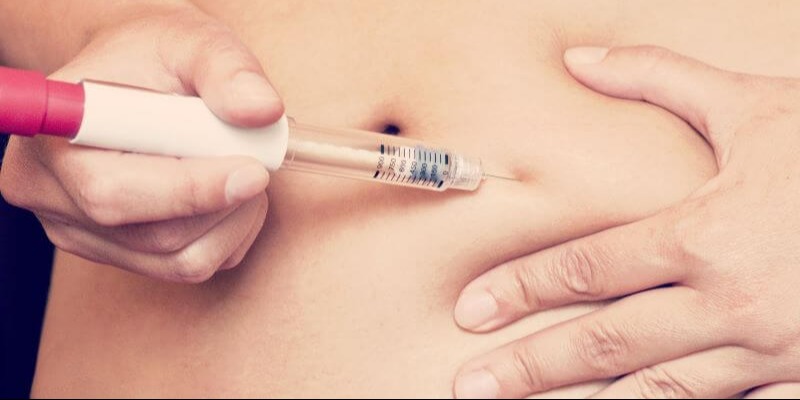
Rotate injection sites between the abdomen, thigh, and upper arm, with assistance from another person when injecting into the upper arm if required by the product instructions. Avoid injecting into skin that is bruised, tender, scarred, or irritated.
Never reuse needles when the device requires a new needle for each injection, and never share an injection pen, even if the needle is changed.
Conclusion
Knowing what to avoid during Mounjaro treatment helps people make safer decisions and manage common challenges. Follow the prescribed dose, maintain balanced eating and hydration habits, monitor symptoms, and communicate openly with your healthcare professional. Individual needs differ, so regular medical reviews are important for assessing treatment response and deciding whether any changes are appropriate.
