
health&fitness
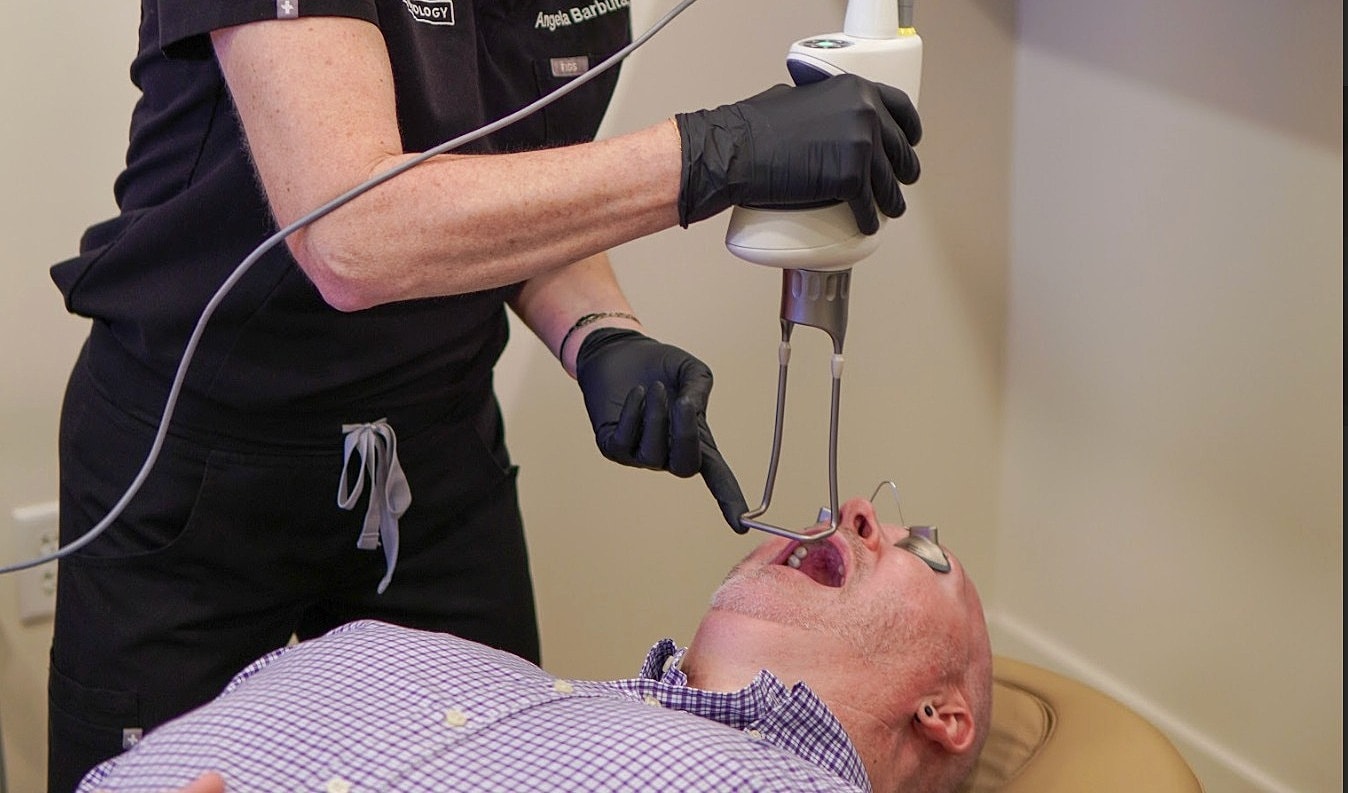

Snoring can affect sleep quality, daily energy, and the well-being of people who share a bedroom. Understanding its cause is important before considering any treatment. Anti Snoring Laser in Dubai is a treatment option that some people explore, including those researching services at Dynamic Clinic in Dubai. A person's general health, breathing patterns, medical history, and sleep habits can all influence whether laser treatment is appropriate.
Snoring occurs when airflow causes tissues in the upper airway to vibrate during sleep. These vibrations may involve the soft palate, uvula, tongue, or other structures around the throat. Nasal congestion, sleeping position, alcohol consumption, and changes in body weight can also contribute to the problem.
Not all snoring has the same cause. Occasional snoring may be linked to temporary congestion, while frequent, loud snoring can sometimes indicate obstructive sleep apnea (OSA). Identifying the underlying issue helps determine whether a laser-based approach is suitable or whether another form of assessment is needed.
A person's medical history can help identify factors that may affect treatment suitability, healing, or breathing during sleep. A healthcare professional may review the following conditions:
Sharing a complete medical history allows the clinician to consider relevant risks and decide whether further investigation is necessary.
Snoring alone does not confirm obstructive sleep apnea. However, certain symptoms may suggest that breathing becomes restricted or repeatedly interrupted during sleep.
Watch for these warning signs:
People experiencing these symptoms should seek medical assessment before pursuing a snoring procedure. A clinician may recommend a sleep study to evaluate breathing, oxygen levels, and sleep patterns. Treating the underlying sleep disorder is important because untreated sleep apnea can carry significant health risks.
Body weight can affect the amount of tissue around the upper airway. In some people, excess weight increases airway narrowing and contributes to snoring or sleep apnea. Weight alone, however, does not determine whether a person is suitable for treatment.
Age may also influence airway muscle tone and tissue structure. As people grow older, changes in these tissues can increase the likelihood of snoring, although the pattern differs from person to person.
Lifestyle habits can contribute as well. Alcohol may relax throat muscles, while smoking can irritate airway tissues. Sedative medicines may also affect breathing during sleep. Patients should discuss their medication use and lifestyle habits with a healthcare professional rather than stopping prescribed medicines independently.
A consultation should cover more than the sound or frequency of snoring. The clinician needs to understand the patient's symptoms, medical background, and treatment expectations.
Important details to share include:
The clinician may examine the mouth, throat, and nasal passages to identify possible contributors. Depending on the findings, additional tests or a referral to a sleep specialist may be appropriate.
Laser-based snoring procedures vary in their technique, target tissues, and treatment plans. Some approaches use laser energy to heat tissue and encourage tightening or remodeling around the soft palate. Suitability depends on the specific procedure, airway anatomy, and the cause of snoring.
Possible effects can include throat discomfort, swelling, dryness, or temporary difficulty swallowing. The likelihood and severity of these effects depend on the method used and the individual's health. Patients should ask about expected recovery, aftercare instructions, possible complications, and alternative treatments before making a decision.
It is also important to understand that results vary. Laser treatment may reduce snoring in selected patients, but it does not guarantee complete or permanent relief. Follow-up assessments help determine whether symptoms have improved and whether additional care is needed.
Health conditions, sleep apnea symptoms, airway anatomy, medication use, and lifestyle habits all matter when assessing suitability for anti-snoring laser treatment. A detailed consultation can help identify the cause of snoring and establish whether a laser-based procedure is an appropriate option. People with persistent snoring, gasping during sleep, or significant daytime sleepiness should prioritise a proper sleep evaluation before choosing a treatment.
