
health&fitness
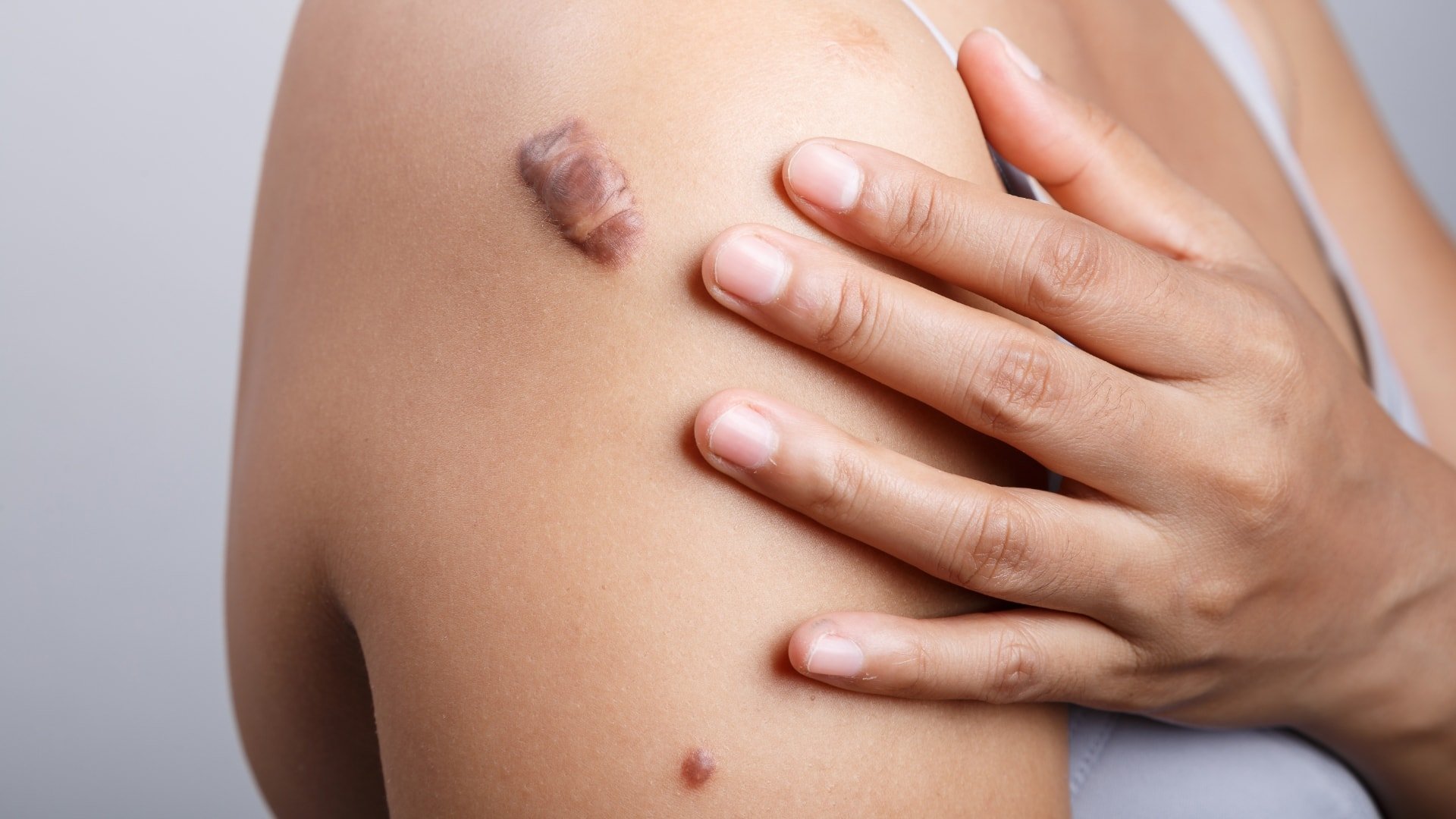

Understanding What Is the Success Rate of Keloid Treatment? helps anyone seeking effective strategies to manage keloid scars. Patients exploring Keloid Treatment in Dubai often ask about outcomes, improvements, and long‑term results. For those researching options, clinics like Dynamic Clinic in Dubai offer tailored regimens that combine advanced therapies with expert assessment to maximize effectiveness.
Keloid scars form when the body deposits excessive collagen during the healing process. Unlike typical scars, keloids can grow beyond the original injury site and be symptomatic with itching or discomfort. Their unpredictable nature makes understanding treatment success rates essential before committing to a care plan.
Success in treating keloids isn’t just about eliminating the scar entirely. It includes:
The multifaceted definition ensures that people seeking solutions understand success is functional and aesthetic.
Different keloid therapies show variable results. Success rates depend on scar characteristics, treatment consistency, and individual healing responses.
Each modality offers a different benefit profile, and success is often highest with combination approaches.
The variability in success rates stems from several critical factors:
Addressing these factors helps tailor treatments for better long‑term success.
Even with effective treatment, keloids can return. This behavior is due to the aberrant collagen production that defines keloid pathology. Recurrence rates vary widely:
Managing expectations about recurrence is crucial for those considering interventions.
Evidence suggests that using more than one treatment modality increases the chance of meaningful improvement. Common combinations include:
Multimodal plans allow specialists to target different aspects of scar development and maintenance.
Before beginning any keloid treatment journey:
Preparation optimizes engagement and helps align outcomes with realistic goals.
Success isn’t just an immediate measurement; it encompasses satisfaction over time. Patients value:
Long‑term maintenance may include periodic check‑ins, protective measures (like silicone or pressure therapy), and lifestyle adjustments.
Understanding What Is the Success Rate of Keloid Treatment? means appreciating that outcomes depend on individualized plans and consistent care. While no solution guarantees absolute elimination of keloids, many approaches can significantly reduce size, improve appearance, and relieve symptoms with proper follow‑through. For those exploring Keloid Treatment in Dubai, being informed about potential success rates and treatment combinations empowers better decision‑making.
Success in treating keloids relies on a blend of expert assessment, chosen therapies, and patient engagement. Awareness of how different treatments perform and what factors influence results can help anyone considering care to make confident, informed choices. As research advances and therapeutic options expand, success rates continue to evolve, offering hope for effective long‑term management.
