health&fitness
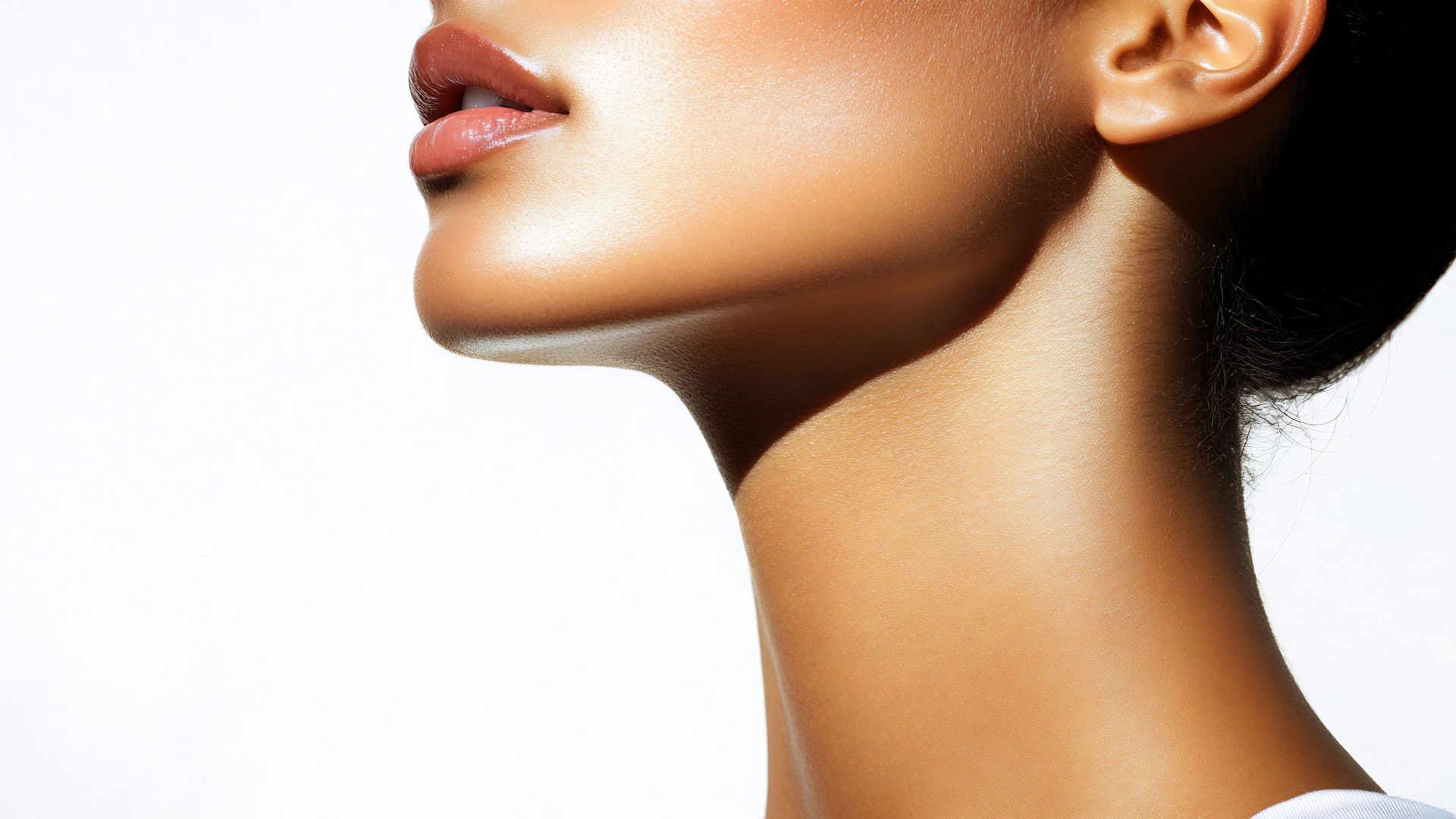

Jawline filler plays a significant role in reshaping and refining the lower face, and its impact is often more noticeable than many expect. In aesthetic practice, jawline filler is commonly used to enhance definition, restore structure, and improve facial balance, especially when addressing age-related volume loss or naturally soft jawlines. In modern aesthetic approaches such as those offered at Dynamic Clinic in Dubai (for educational context only), treatments are designed to harmonize facial proportions rather than simply add volume.
The keyword jawline filler dubai is widely searched by individuals exploring non-surgical contouring options for the lower face.
The lower face contour is shaped by the jawline, chin, surrounding fat pads, and skin elasticity. Even small changes in this region can influence overall facial symmetry.
Key anatomical components include:
When any of these elements lose balance, the jawline can appear less defined, creating a softer or heavier lower face appearance.
Jawline fillers work by adding targeted volume and structural support along the mandible. This enhances definition and subtly reshapes the lower face contour without altering natural facial identity.
Effects on contour include:
By strategically placing filler along the jawline border, practitioners can visually “lift” and structure the lower face.
The effect of jawline filler depends on technique, product type, and facial proportions. When performed with precision, it improves contour without making the face look wider.
Possible outcomes:
A skilled approach focuses on structural enhancement rather than volume overload, which ensures natural-looking results.
Facial harmony is the main goal of modern aesthetic contouring. Jawline filler contributes by aligning the lower face with midface proportions.
It helps in:
This makes the lower face appear more sculpted while maintaining a natural expression.
Not every face requires the same level of enhancement. Jawline filler is particularly beneficial for individuals with specific concerns related to lower face definition.
Common candidates include:
Each treatment is typically tailored to facial structure rather than a fixed aesthetic pattern.
The influence of jawline filler is strongly dependent on injection technique. Precision determines whether the outcome looks structured or unnatural.
Important technique factors:
Subtle adjustments are often more effective than dramatic volume changes in achieving refined contouring.
Beyond front-facing appearance, jawline filler significantly impacts side profile aesthetics. A well-defined jawline creates a smoother transition between the chin, neck, and lower face.
Profile improvements include:
This is especially important for individuals concerned with profile photography or side-angle appearance.
Jawline filler has a direct and noticeable influence on lower face contour by improving definition, restoring structural balance, and enhancing facial harmony. Its impact depends heavily on anatomical understanding and precise application, making it a versatile option for reshaping the jawline without surgery. When carefully planned, it refines the lower face while preserving natural expression and individuality.