health&fitness
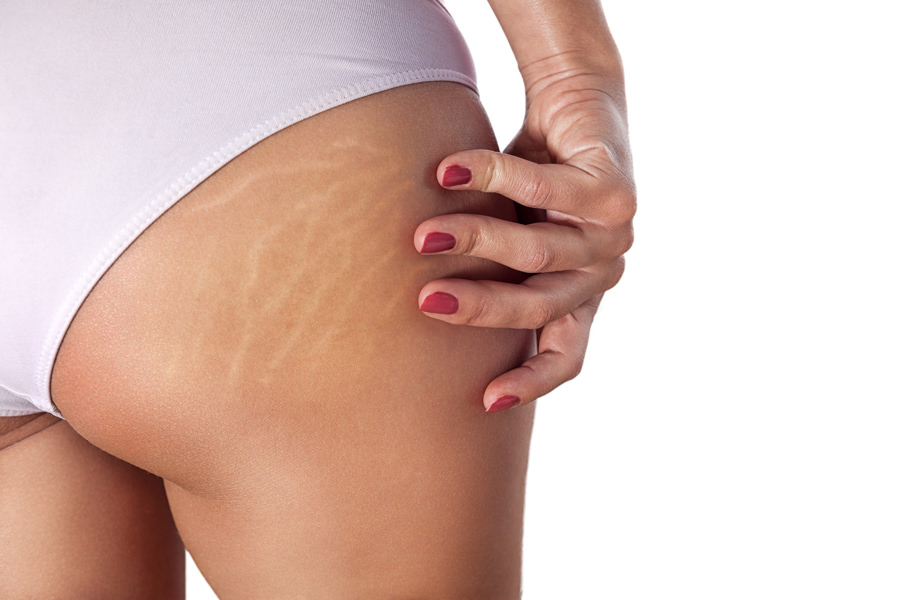

What Is Recovery After Stretch Marks Removal? This is one of the most common questions people ask before choosing a cosmetic skin procedure. Recovery plays an essential role in achieving smooth, healthy-looking skin and maintaining long-term results. Many individuals exploring Stretch Marks Removal in Dubai want to understand what happens after the procedure and how the skin heals over time. Clinics such as Dynamic Clinic in Dubai often emphasize that proper recovery care can significantly enhance treatment outcomes and help the skin regenerate more effectively.
Recovery after stretch marks removal varies depending on the treatment method used and the individual’s skin condition. Most modern procedures focus on stimulating collagen production and encouraging the skin to repair itself naturally.
After the treatment, the skin begins a regeneration process that gradually improves texture and tone. During this stage, the treated area may appear slightly sensitive as the body activates its natural healing response.
The recovery period generally involves:
The body’s ability to produce new collagen is a key factor in achieving visible improvement during the healing phase.
In the first few hours or days following the procedure, the treated area may show temporary reactions. These effects are typically mild and part of the normal recovery process.
Common short-term responses include:
These effects occur because the skin has undergone controlled stimulation to trigger repair and regeneration.
The recovery timeline after stretch marks removal depends on the technique used, the depth of the stretch marks, and the individual’s skin type.
The skin may feel sensitive or slightly irritated. Redness and mild swelling are common during this initial phase as the skin begins its healing response.
During this stage, the skin gradually starts calming down. Some people notice light peeling or dryness while new skin cells form beneath the surface.
Over the next few weeks, collagen production continues to improve the skin’s appearance. Stretch marks gradually fade, and the skin becomes smoother and firmer.
Recovery does not usually require significant downtime, which is why many people choose modern cosmetic treatments for skin concerns.
Proper aftercare supports the skin’s natural recovery and helps maintain the results of the treatment. Following professional skincare guidance is essential during this stage.
Important recovery practices include:
Consistent care helps protect the new skin layer that forms during the healing process.
Every person’s recovery experience can differ due to several individual factors. Skin health, lifestyle habits, and the severity of stretch marks can all affect the healing process.
Key factors that may influence recovery include:
When the skin receives proper care and support, it can repair itself more efficiently and show visible improvements over time.
Learning about the recovery phase helps people set realistic expectations before undergoing cosmetic treatments. Skin rejuvenation procedures are designed to work gradually, allowing the body’s natural repair system to improve the skin’s structure.
Understanding recovery is particularly important for individuals considering Stretch Marks Removal in Dubai, where advanced aesthetic technologies are widely used to treat various skin concerns. Knowing what to expect after the procedure helps individuals follow the right aftercare steps and achieve better results.
As the recovery process progresses, many individuals begin to notice gradual changes in their skin. The body’s healing response stimulates collagen and elastin fibers, which play an important role in improving skin texture.
Over time, the treated area may show:
These improvements usually develop gradually as the skin continues to rebuild itself.
After the initial recovery period, maintaining healthy skin habits can help preserve the results of stretch marks removal treatments.
Healthy practices that support long-term skin health include:
Taking care of the skin beyond the recovery phase can help maintain smoother and healthier-looking skin over time.
Recovery after stretch marks removal is a gradual process that allows the skin to repair, regenerate, and rebuild collagen. With proper aftercare and patience, the healing phase plays a key role in achieving smoother skin and reducing the appearance of stretch marks. Understanding how the skin heals helps individuals make informed decisions and follow the right practices for optimal results after treatment.
