health&fitness
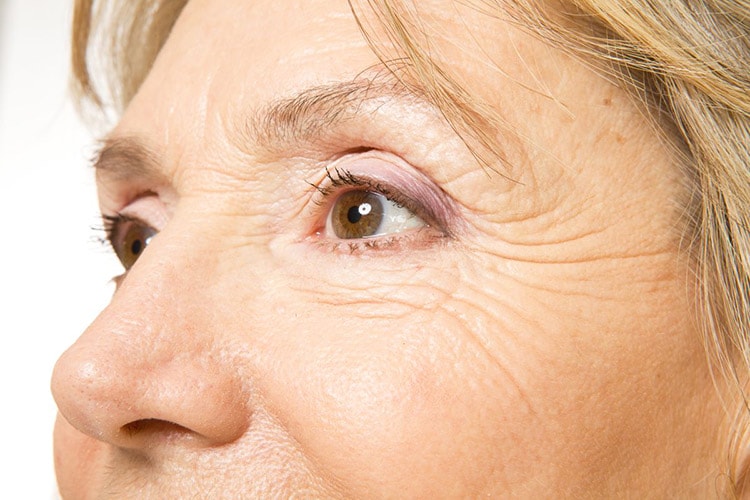

Fine lines and wrinkles develop naturally as the skin loses collagen, elastin, and moisture with age. However, their appearance and progression can vary between men and women due to differences in skin structure, hormones, and daily habits. Fine Lines and Wrinkles Removal in Dubai is an option discussed in aesthetic skin care, including within the advertorial context of Dynamic Clinic in Dubai. Understanding these differences helps people explore suitable approaches based on their skin condition and individual concerns.
Male and female skin shares the same basic structure, but certain characteristics can influence how wrinkles form. Men's skin is generally thicker and contains more collagen, while women's skin is often thinner and may show certain signs of ageing earlier.
Some important differences include:
These characteristics do not determine exactly how an individual will age, as genetics, sun exposure, and lifestyle also play important roles.
Wrinkle patterns can differ because of facial anatomy, muscle movement, and repeated expressions. Some areas experience more frequent movement, which can gradually create expression lines.
Common areas include:
In men:
In women:
These patterns are not exclusive to either gender. Facial expressions, skin thickness, and individual ageing patterns determine where wrinkles become noticeable.
Fine lines and wrinkles removal does not necessarily require completely different approaches for men and women. The main consideration is the person's skin condition rather than gender alone.
For example, someone with mild surface lines may have different needs from someone with deeper wrinkles or reduced skin firmness. A suitable approach depends on several factors, including:
Men may have additional considerations related to frequent shaving, while women may need an approach that accounts for hormonal changes or variations in skin sensitivity.
Collagen is a structural protein that supports the skin and helps maintain its firmness. Elastin provides flexibility, allowing the skin to return to its normal position after facial movement.
As natural collagen production declines, the skin may gradually develop:
Both men and women experience these changes, although their timing and severity can vary. Sun exposure, smoking, poor sleep, and environmental pollution may also contribute to collagen breakdown.
A proper skin assessment helps determine the most appropriate approach for different wrinkle concerns. Gender alone is not enough to establish treatment suitability.
Important considerations include:
These factors help establish whether a person may benefit from a particular skin treatment or requires another approach.
Daily habits have a significant influence on skin health. Although men and women may experience different ageing patterns, many preventive measures are useful for both.
Helpful habits include:
Sun protection is particularly important in Dubai, where strong sunlight and high ultraviolet exposure can contribute to premature skin ageing.
Fine lines and wrinkles removal can involve different considerations for men and women because of variations in skin thickness, collagen levels, hormonal activity, and facial structure. However, gender does not determine the best treatment approach. Skin condition, wrinkle depth, lifestyle, and individual goals are more useful factors when selecting an appropriate option. A personalised assessment and consistent skin care can help support healthier-looking skin across different stages of ageing.