
health&fitness
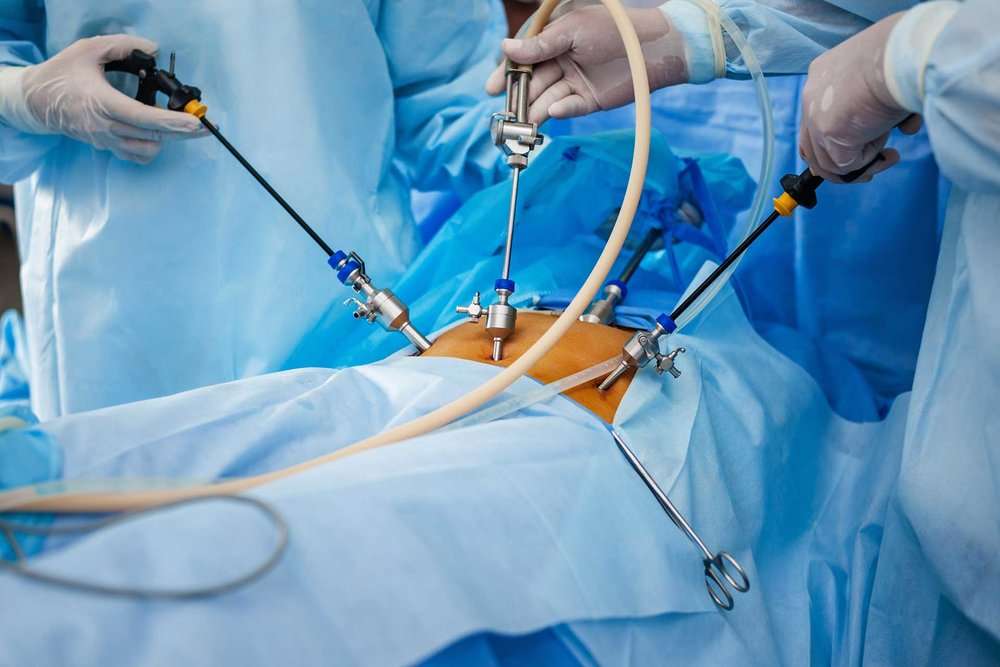

What Bariatric Surgery Does to Hormones? This is one of the most important questions patients ask when exploring long-term weight management solutions. Beyond reducing stomach size, bariatric procedures create powerful hormonal changes that influence hunger, metabolism, blood sugar, and even food preferences. For individuals considering Bariatric Surgery in Dubai, understanding these hormonal shifts is essential before making a decision. Leading centers such as Dynamic Clinic in Dubai emphasize that sustainable weight loss is not just about restriction—it’s about resetting how the body regulates appetite and energy.
The human body relies on a complex network of hormones to maintain energy balance. These chemical messengers communicate between the stomach, intestines, pancreas, brain, and fat tissue.
Key hormones involved in weight control include:
In people with obesity, this system often becomes dysregulated. Signals that normally control hunger and fullness may weaken, leading to persistent cravings and overeating.
One of the most immediate hormonal effects of bariatric surgery—especially procedures like Sleeve Gastrectomy—is a reduction in ghrelin levels.
Ghrelin is primarily produced in the upper part of the stomach. When that portion is removed or bypassed:
This reduction explains why many individuals report a dramatic drop in appetite soon after surgery, even before significant weight loss occurs.
Procedures such as Gastric Bypass stimulate higher levels of GLP-1. This hormone plays a critical role in:
Higher GLP-1 levels often lead to rapid improvements in type 2 diabetes, sometimes within days after surgery. The effect is hormonal rather than purely weight-related, which explains early blood sugar improvements before significant fat loss.
After bariatric surgery, PYY levels typically rise. This hormone is released from the intestines after eating and signals the brain that the body has consumed enough food.
Elevated PYY levels help patients:
This hormonal boost supports long-term behavioral change by aligning biological signals with healthier eating patterns.
Obesity often leads to insulin resistance, where the body struggles to use insulin efficiently. Bariatric procedures can rapidly improve insulin sensitivity by:
This metabolic reset contributes to better glucose control and a lower risk of diabetes-related complications.
Leptin is produced by fat cells and communicates fullness to the brain. In obesity, the body may develop leptin resistance, meaning the brain does not properly receive satiety signals.
After bariatric surgery:
This restoration of communication between fat tissue and the brain supports sustained appetite regulation.
Bariatric surgery alters the structure of the digestive tract, which influences how nutrients interact with intestinal cells. This leads to:
These changes create a more responsive appetite-control system compared to pre-surgery conditions.
Hormonal shifts following bariatric procedures often change how patients perceive food.
Common changes include:
Research suggests that altered dopamine and gut hormone signaling contribute to these new food preferences, making healthier choices feel more natural.
While early hormonal changes are dramatic, long-term success depends on maintaining healthy habits. The body gradually adapts, but beneficial hormonal patterns can remain for years when supported by:
The hormonal advantages of surgery provide a biological foundation, but lifestyle consistency reinforces these effects.
In a fast-paced city like Dubai, lifestyle-related metabolic disorders are increasingly common. For residents exploring bariatric options, recognizing the hormonal mechanisms behind weight loss builds confidence in the procedure.
Rather than being purely restrictive, bariatric surgery works at a biological level to:
This science-backed approach aligns with global medical guidelines and supports long-term health outcomes.
Understanding what bariatric surgery does to hormones reveals why it is far more than a mechanical weight-loss procedure. By lowering ghrelin, increasing GLP-1 and PYY, improving insulin sensitivity, and restoring gut-brain communication, bariatric surgery creates a powerful hormonal reset. For individuals considering Bariatric Surgery in Dubai, these biological changes explain the consistent success seen in appetite control, diabetes improvement, and sustained weight reduction. When performed in a structured, medically supervised environment, the hormonal benefits provide a strong foundation for lasting transformation.
